
First Time Home Buyer Programs Florida
Florida Housing's down payment assistance can hand qualified buyers up to $35,000 toward a home in 2026, yet most applicants never claim a dollar because they miss one income cap or one credit threshold. The gap between approved and denied often comes down to paperwork timing, not money. Knowing which program fits your numbers before you apply saves weeks and sometimes thousands in fees.
First time home buyer programs florida residents qualify for run through Florida Housing Finance Corporation, county agencies, and federal-backed loans. Each carries its own income limits, purchase price caps, and repayment rules. This guide breaks down what actually affects cost, how to compare offers honestly, and where buyers trip up. No sales pitch — just the mechanics and the numbers worth checking first.
Florida Housing Assistance Facts Worth Knowing
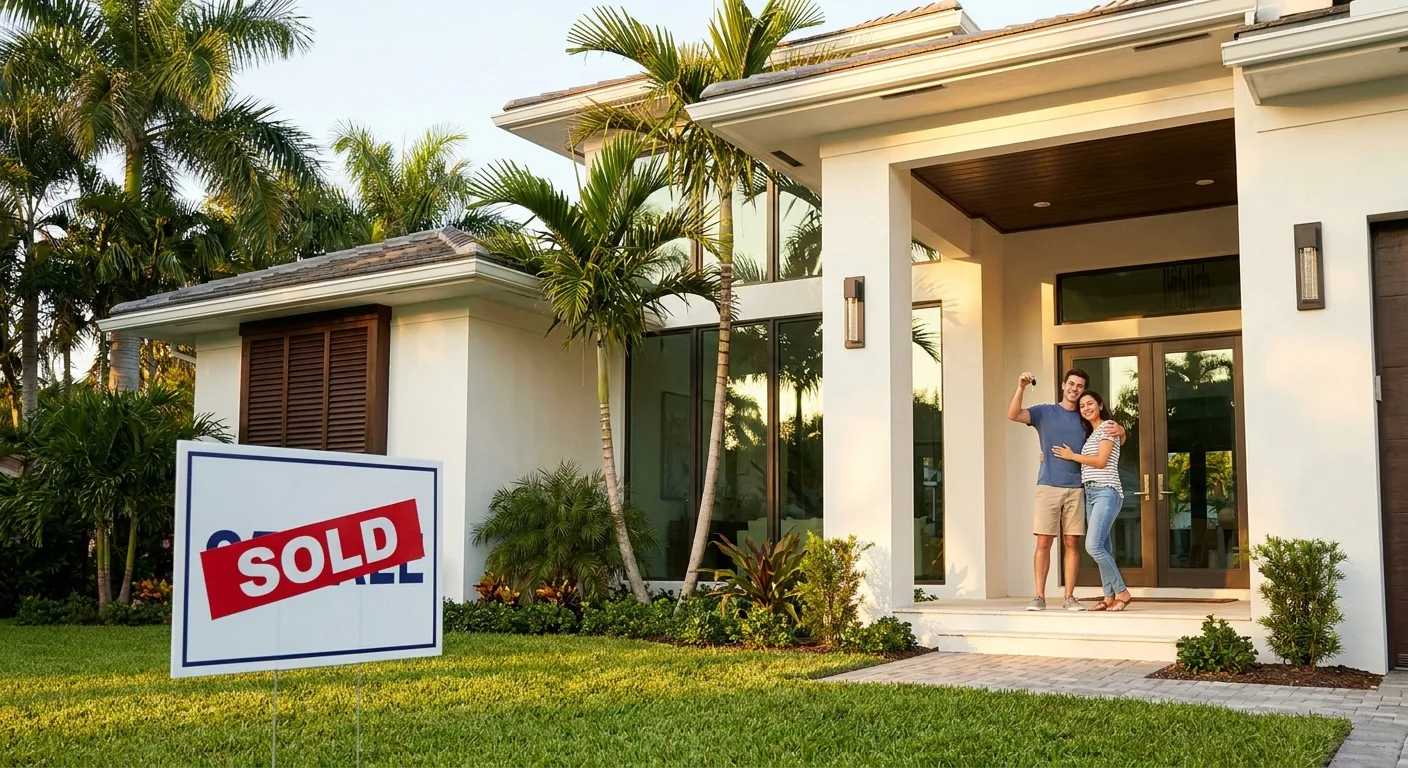
The Florida Housing Finance Corporation runs the state's main programs, and they aren't grants you keep free and clear. Most are second mortgages. The Florida Assist offers up to $10,000 as a 0% deferred second loan, repaid when you sell, refinance, or pay off the first mortgage. The newer Florida Hometown Heroes program, refunded for 2026, reaches up to $35,000 or 5% of the loan amount for eligible workers — teachers, nurses, law enforcement, and dozens of other occupations.
Who Actually Qualifies in 2026
You don't always need to be a literal first-timer. Florida defines it as not owning a primary residence in the past three years, so plenty of repeat buyers slip back into eligibility. Income caps vary by county; in Miami-Dade the limit sits higher than rural panhandle counties. A minimum 640 FICO score applies to most products, and you'll need a HUD-approved homebuyer education course — usually six hours, often online.
The Purchase Price Ceiling Nobody Mentions
Each county sets a maximum home price. Exceed it by a single dollar and the assistance vanishes. In 2026, many metro counties cap around $481,000, while smaller markets sit far lower. Check teh county limit before you tour homes, not after you've made an offer.
Program Options and What Drives Cost
The real cost of these programs hides in the first mortgage attached to them. Down payment help often pairs with an FHA, VA, USDA, or conventional loan, and the interest rate on that primary loan moves your monthly payment far more than the assistance amount itself.
Loan Types Behind the Assistance
- FHA loans: 3.5% down, 580+ score, mortgage insurance for the loan life
- VA loans: 0% down for veterans, no monthly mortgage insurance
- USDA loans: 0% down in eligible rural zones, income-restricted
- Conventional: 3% down, private mortgage insurance droppable at 20% equity
Hometown Heroes ties to a competitive 30-year fixed rate, often slightly below standard market pricing in 2026. That rate advantage compounds over decades.
Hidden and Upfront Fees
Closing costs in Florida average 2% to 5% of the purchase price. Some assistance covers these; some doesn't. Watch for origination fees, title insurance, and the documentary stamp tax — Florida charges $0.70 per $100 of the sale price in most counties. On a $350,000 home, that stamp tax alone runs about $2,450.
How to Compare Your Choices Honestly
Ever wonder why two buyers with identical incomes end up with wildly different monthly payments? The difference usually lives in the APR, not the headline rate. Always request a Loan Estimate from each lender — it's a standardized federal form, so columns line up cleanly for comparison.
Reading the Loan Estimate
Page one shows the interest rate and monthly payment. Page two itemizes every fee. Page three lists the APR and total interest percentage. Compare the APR across lenders rather than the rate alone, because APR folds in fees. A 6.5% rate with $8,000 in junk fees costs more than a 6.75% rate with $2,000 in fees.
Insider Tip Most Buyers Miss
Florida Housing assistance must be processed through a participating lender from the state's approved list — your favorite local broker may not be on it. Here's the part rarely spelled out: lenders set their own rate add-ons on top of the program rate, so the same Hometown Heroes loan can carry different pricing depending on the lender's margin. Pull quotes from at least three approved lenders on the same day, since rates shift daily. That single step has saved buyers thousands over the life of a loan.
Step-by-Step Action Guide and Pitfalls
Movement matters more than research at some point. Once you've confirmed your county price cap and income limit, the path is fairly direct.
The Sequence That Works
- Pull your credit reports free at AnnualCreditReport.com and fix errors first
- Complete the HUD-approved homebuyer education course early
- Get pre-approved through three Florida Housing participating lenders
- Confirm the home falls under your county purchase price cap
- Lock your rate once under contract and ask about lock extension fees
Mistakes That Sink Applications
The most common killer? Opening a new credit card or financing furniture before closing — it can drop your score and blow your debt-to-income ratio. Lenders re-pull credit days before closing. Another frequent error is assuming assistance is forgiven; most Florida second mortgages get repaid at sale or refinance, so factor that into long-term plans. And don't skip the education course thinking it's optional. It isn't. No certificate, no funds.
One scope note: program terms, income caps, and price limits update regularly, and high-stakes decisions deserve a licensed mortgage professional and a real estate attorney. Verify current figures directly with Florida Housing and your county housing agency before signing anything.
Post a Comment for "First Time Home Buyer Programs Florida"
Post a Comment